History of the Junior League of Louisville
For nearly a century, the Junior League of Louisville has been an integral part of the Louisville community. Below is a snapshot of the activities during each decade of service.
1921
On January 26, 1921 a group of 10 women, two of whom had been members of the New York and Milwaukee Junior Leagues, met to discuss the need for a volunteer service in Louisville. The Junior League of Louisville (JLL) was formed with 50 active members paying dues of $3 and 30 associate members paying dues of $5.
1920s
JLL members gave at least two hours a week of time to a specific group. JLL community activities included Well Baby Clinics, Baptist Hospital Occupational Therapy Department, YWCA and the Girl Scouts. Members of the JLL have never been strangers to raising money. Key fundraisers in the 1920s included Revel and Mah Jong Balls, as well as Follies.
1930s
In the 1930s, community needs continued to be identified. During this decade, community activities included initiation of the Volunteer Bureau and City Hospital Occupational Therapy Department. More emphasis was placed on raising much needed funds. Key fundraising activities in the 1930s included rummage sales, galas and sponsored editions of The Courier-Journal and the Follies.
1940s
As the world was faced with war, JLL members focused primarily on the war efforts. These efforts included USO, War Bonds and Nurses Aid. The face of the JLL member started changing as many members were required to work in war plants full-time. Night meetings were offered to help accommodate the working woman. In 1945, 15 of the 18 Board positions were vacant due to war efforts. While the war waged on, the JLL understood the need to sustain community service.
The community activities during the 1940s included: founding of the Children’s Theater, music scholarship and the Junior Art Gallery. It was during the 1940s the JLL initiated a short-term project system, which is still utilized today. JLL initiatives and develops projects. After three years, the project is then turned over to the community for long-term operations.
1950s
The 1950s is viewed as a strategic planning decade for the JLL. Members spent a great deal of time planning and defining the purpose of the JLL. The 1950s saw an influx of transfer members (members that joined JLL after being members of a different Junior League). Community projects spotlighted during the decade included the Department of Volunteers at Rehabilitation Center, Burn Research Program at Children’s Hospital and Recording for the Blind. Fundraising in the 1950s focused on strategic community partnerships. In association with the Kentucky State Fair Horse Show, the JLL published the printed program. In association with Stewart’s, the JLL organized a style show.
1960s
The JLL spotlighted community projects that included: Drug Abuse Education Program, Hearing Screening Center, Children’s Theater Trouping Project and the Remedial Reading Mobile Laboratory. The JLL continued the fundraising partnerships with the Kentucky State Fair Horse Show and Stewart’s.
1970s
As the Kentucky State Fair Horse Show Program and Style Show continued to flourish, during the 1970s, the JLL expanded its fundraising initiatives by producing its first cookbook called The Cooking Book. Community projects also expanded to include: Iroquois Day Care Center, Stairways, Shelter House, Child Psychiatry Research Center, Arts in Education Program, and Kentucky Youth Advocates Inc.
1980s
The face of the JLL member changed during the 1980s. The majority of members worked outside the home. To accommodate the working woman, the majority of meetings were held in the evening. The JLL experienced a large growth in membership during this decade. In the community, the JLL focused on the Ronald McDonald House, CASPAR, Metazoo, Kidspace, Westport Middle School Computer Project, Youth Career Development and Kids on the Block. During the 1980s, the JLL ended the fundraising initiative with the Kentucky State Fair Horse Show and published a new cookbook called Cordon Bluegrass.
1990s
In the 1990s the JLL developed a board development training series to train JLL members and other non-profit groups how to be effective members on a Board of Directors. During the 1990s, community projects the JLL focused on included: Playscape, SOAR, Sister to Sister, Junior Jesters, Done in a Day, Habitat for Humanity, The Family Place, Home of the Innocents, Cabbage Patch Settlement House, Kidspace, Interactive Art Gallery at the J.B. Speed Art Museum, Portland Pride and Woman to Woman. Fundraising initiatives included the Showhouse, Cordon Bluegrass cookbook, the American Girls Fashion Show and Tea, Oxmoor Steeplechase and the JLL Scarf.
2000s
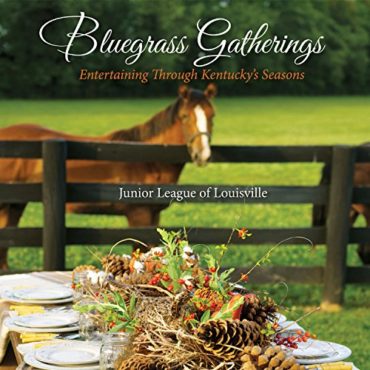
During the first decade of the 21st century, the JLL celebrated 80 years of service and the Association of Junior Leagues International celebrated 100 years of service. Community projects included CASA, Dating Violence, Done in a Day, Keep in Touch, Louisville Girls Leadership Summit, Maryhurst, Noogieland and Noogiefest at Gilda’s Club, RunWild!, Race for the Cure. Primary fundraising initiatives included the JLL scarf, Radko ornaments, Blooming Deals, Brightest Star Community Volunteer Awards Dinner, Hollydays Art and Gift Market, Two of a Kind Gala, and two cookbooks (Splendor in the Bluegrass and Cordon Bluegrass).
2010s
Though this decade is still young JLL has supported a number of initiatives.. In June of 2010 we launched our Urban Garden initiative. It continues to unite communities and organizations with sustainable life practices. During this time we are also supported Family Scholar House , Keep In Touch and many other initiatives that were supported in the 2000's. Our primary fundraisers are Hollydays Art and Gift Market and two cookbooks currently and a third coming out later in 2012.
As you can see, the JLL has a rich history in the Louisville community. As the JLL approaches its 100th year, it will be exciting to see how the JLL continues to be a catalyst for change!